


Kids Martial Arts in Tolleson for Bullying Prevention, Confidence, and Self-Control
Bullying is one of the biggest concerns parents face when their child goes back to school.
When people hear the word “self-defense,” they often imagine fighting back with the same aggression. But in real life, the best defense is not always the strongest punch. It is confidence, awareness, posture, emotional control, and the ability to set boundaries before a situation becomes physical.
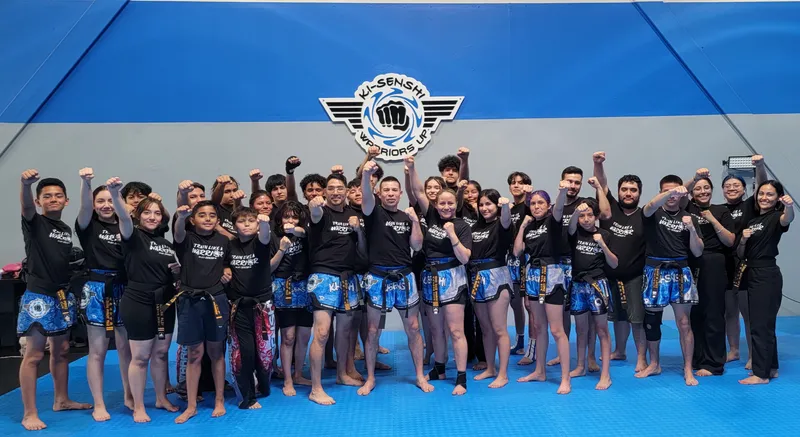
At Ki-senshi Martial Arts in Tolleson, we believe martial arts are not for starting fights. Martial arts help build students who do not need to fight to feel strong.
According to Master David, many families come to Ki-senshi for three main reasons: helping children return to school with confidence, preventing bullying, and helping kids manage a strong temper through better self-control.
Bullies often look for children who seem unsure, isolated, reactive, or easy to intimidate.
That does not mean bullying is ever the child’s fault. It means children need tools that help them stand stronger, speak clearer, and respond with more control when pressure appears.
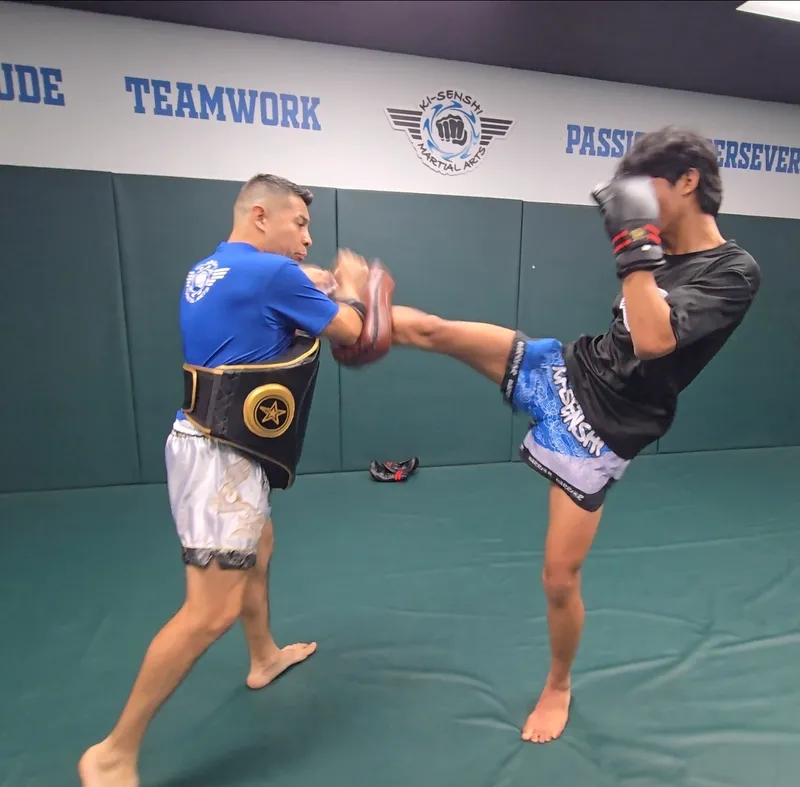
Martial arts helps children practice those tools in a safe, structured environment before they need them at school.
Children communicate confidence before they say a word.
In martial arts class, students practice how to stand, move, and carry themselves with more awareness. They learn to keep their head up, make eye contact, hold their shoulders strong, and move with purpose.
A child who walks with confidence may be less likely to appear like an easy target.
Kids need words that feel strong, clear, and safe.
At Ki-senshi, students can practice using a firm and calm voice to set boundaries. A simple phrase like “Stop. I don’t like that” can help a child respond without screaming, crying, or escalating immediately.
The goal is not to argue. The goal is to create a clear boundary.
A bully often wants a reaction.
They may look for anger, fear, embarrassment, or tears. Martial arts helps children practice staying calm while their body is active, challenged, or frustrated.
Through discipline, students learn that they can feel emotion without letting that emotion control every reaction.
A child who knows their value is harder to break with words.
Martial arts helps students earn confidence through effort. Every class gives them opportunities to listen, try, fail, improve, and succeed. Over time, they begin to understand that they are capable of more than they thought.
That confidence becomes an invisible armor they can carry into school.
Real self-defense for children begins with prevention and de-escalation.
That may include:
Physical techniques are not the first answer. They are part of a larger lesson about safety, control, and responsibility.
Martial arts should never teach children to use their skills to bully others.
At Ki-senshi, respect is part of the class culture. Students are expected to listen, follow instructions, control their body, and treat partners safely. Strength without respect is not the goal.
The goal is confidence with control.
Summer gives children time to reset before the next school year.
Instead of spending the whole break on screens, martial arts gives kids a structured place to move, focus, build friendships, practice discipline, and develop the confidence they need for school.
This is especially important for children who struggled with bullying, shyness, anger, or low self-esteem during the previous school year.
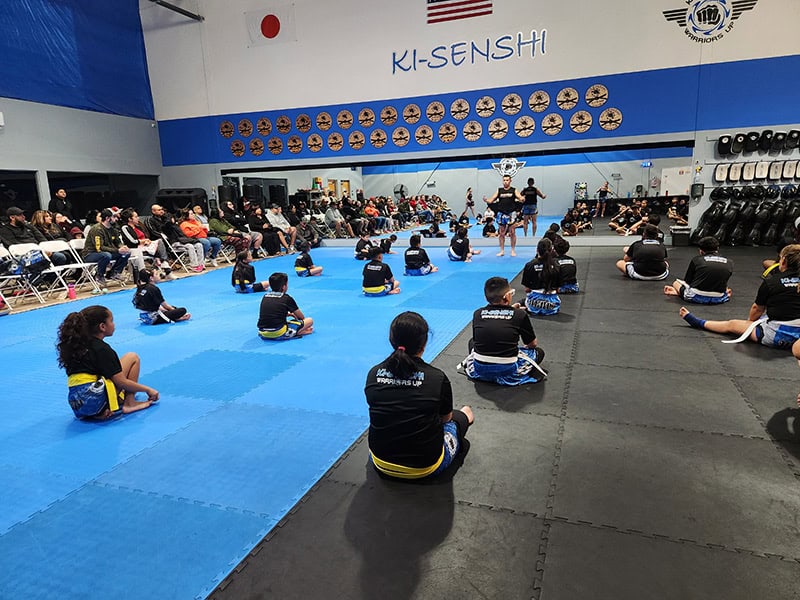
Ki-senshi Martial Arts offers an 8-week summer program designed to help students build confidence, discipline, self-control, and bullying prevention skills before school starts.
Little Warriors meets at 4:15 pm for 40 minutes.
This class helps younger children build energy control, listening skills, independence, and confidence in a structured environment.
Kids class meets at 5:00 pm for 45 minutes.
This class focuses on discipline, confidence, friendship, respect, and bullying prevention through age-appropriate martial arts training.
Teens class meets at 7:00 pm for 45 minutes.
This class supports leadership, self-image, social confidence, emotional control, and practical defense awareness.
Adults class meets at 7:00 pm for 45 minutes.
This class helps parents and adults build fitness, reduce stress, and train in a structured martial arts environment.
What Is Included With Summer Enrollment
With the 8-week summer enrollment, Ki-senshi includes the starter items students need to begin training.
| Included Item | With Summer Enrollment |
| Registration/Enrollment | Free |
| Summer Uniform | Free |
| Training Gloves | Free |
Yes, martial arts can help with bullying prevention by teaching confidence, posture, boundaries, self-control, and de-escalation.
Children learn how to stand strong, speak clearly, stay calm, and seek help without becoming aggressive.
No, a responsible martial arts program should teach children that fighting is not the first solution.
At Ki-senshi, students learn respect, discipline, and self-control before physical techniques. The goal is prevention, not aggression.
A child should create space, use a clear voice, avoid escalation, and ask a trusted adult for help.
Martial arts can help children practice the confidence and awareness needed to respond more calmly under pressure.
Yes, martial arts can help shy kids build confidence gradually through structure, movement, social practice, and small victories.
As children become more confident, they may feel more prepared to speak up, make friends, and handle school pressure.
The Ki-senshi Martial Arts 8-week summer program costs $349 for summer 2026.
The program runs Monday through Thursday and includes registration, a summer uniform, and training gloves with summer enrollment.
David Lopez Aguilar is listed by KI-SENSHI Martial Arts as Sensei at the school. His teaching perspective emphasizes that martial arts is more than kicking, punching, and belts; it is also about helping students build confidence, discipline, character, focus, and respect.
Turn a Strong Temper Into Self-Control This Summer. Your child does not need more shame. Your child needs structure, discipline, movement, and a safe place to practice better reactions.