
Many parents worry that martial arts might make their child more aggressive.
That concern is understandable. From the outside, martial arts can look like punching, kicking, blocking, and sparring. But a strong children’s martial arts program is not built around violence. It is built around control.
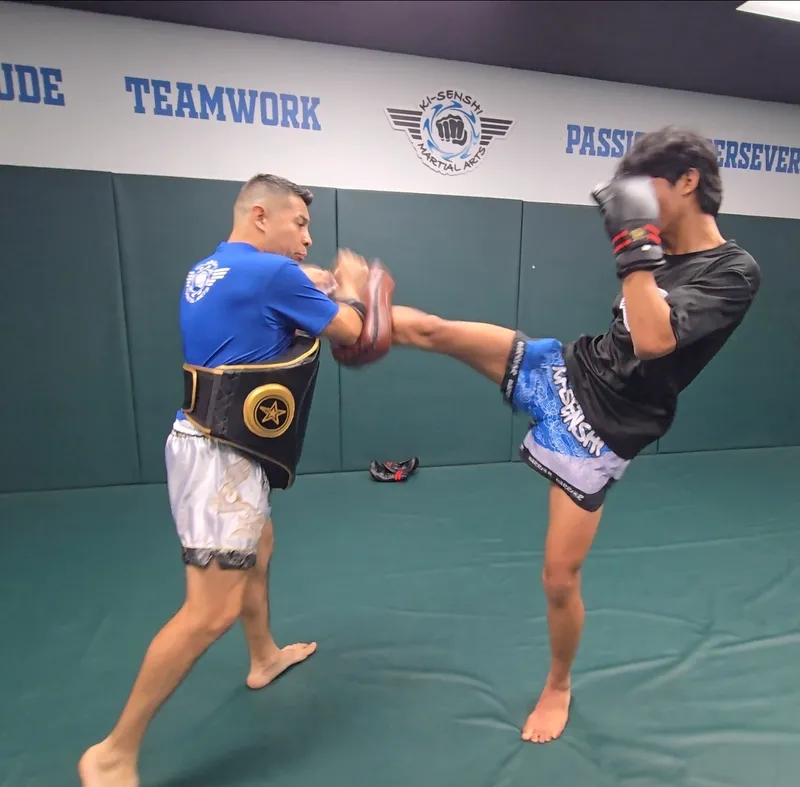
At KI-SENSHI Martial Arts in Tolleson, the goal of kids martial arts is to help children develop confidence, discipline, respect, focus, self-control, and better decision-making. Physical techniques are part of training, but they are not the whole lesson. Before a child learns how to strike, they must learn when not to strike, how to listen, how to stay calm, and how to respect instructors, classmates, parents, and themselves.
Most parents are not only asking, “Will my child learn how to punch?”
They are asking:
These are serious questions, especially for parents raising children who already struggle with impulse control, frustration, anger, bullying, or confidence.
A responsible martial arts school should answer those concerns directly.
Discipline is not just a word on the wall. In a children’s martial arts class, discipline is practiced through repeated actions.
Kids learn to:
These small habits matter because they train the child to pause, listen, and act with intention.
When respect is part of the class culture, martial arts does not become “how to hurt someone.” It becomes “how to control yourself.”
Children learn that their body, words, and reactions have consequences. They are taught that strength should be paired with responsibility. That is why bowing, listening, partner safety, and instructor guidance are not extra details. They are part of the lesson.
A child does not need more conflict. A child needs better tools when conflict appears.
De-escalation means helping a situation calm down before it becomes physical. For children, that may include:
At KI-SENSHI, the children’s curriculum supports the larger goal of developing character, confidence, focus, and respect. Those values help kids understand that martial arts is not permission to start conflict.
Some children struggle with big emotions. They may react quickly when they feel embarrassed, frustrated, excluded, or threatened.
Martial arts gives them a structured place to practice control while moving their body. They learn that power must be managed. They learn that stopping is just as important as starting. They learn that listening during excitement is part of training.
That combination can help children become more aware of their reactions.
The Little Warriors program is designed for younger children who need activity, structure, and guidance. At this age, martial arts support early habits like listening, focus, coordination, patience, sharing, and safe movement.
For many young children, the first victory is not a perfect kick. It is learning how to follow class structure.
The Kids Martial Arts program supports children who are old enough to understand goals, effort, correction, and responsibility.
This stage is important because kids are learning how to handle school pressure, friendships, frustration, competition, and social challenges. Martial arts gives them a place to practice discipline in a physical, memorable way.
Children need boundaries to feel safe and to grow.
In martial arts, boundaries are taught through rules, repetition, and supervision. Students learn what is allowed, what is not allowed, when to stop, how to treat a partner, and how to respond when an instructor gives direction.
These boundaries are essential for safe training and better behavior.
Parents should look beyond physical techniques.
A strong kids martial arts school should talk openly about:
If a school only talks about fighting, toughness, or winning, it may not match what many families need.
Children copy the emotional tone of the room.
If instructors are patient, clear, firm, and respectful, students are more likely to learn those same qualities. If instructors allow chaos, ego, or uncontrolled contact, children may learn the wrong lesson.
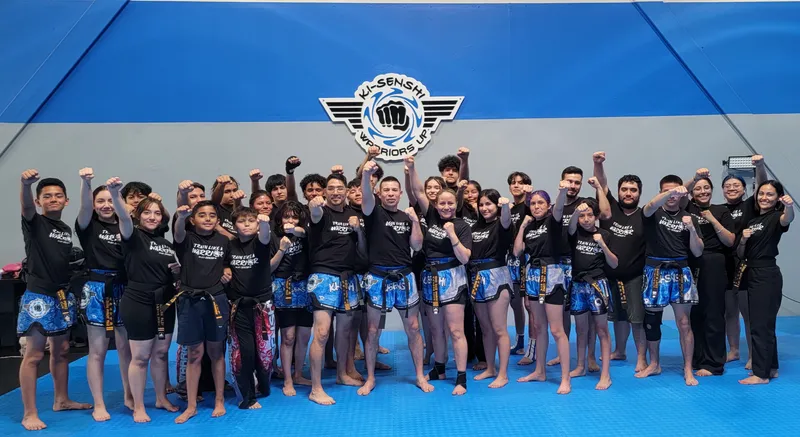
At KI-SENSHI Martial Arts, the message is centered on leadership, confidence, discipline, respect, and a positive training environment for kids and families.
No, a responsible martial arts program should not make children violent. It should teach respect, discipline, self-control, and when not to use physical techniques.
Children learn that martial arts is not for showing off, bullying, or starting fights. The right school teaches physical skills inside a framework of responsibility.
Yes, martial arts can help children practice self-control through structure, repetition, listening, and supervised movement.
Kids learn to stop, wait, focus, follow instructions, and control their body during class. These habits can support better emotional regulation over time.
Yes, martial arts can be helpful for kids who get frustrated easily because it teaches persistence, patience, and calm effort.
A child may not master a movement right away. Class gives them a safe place to try again, accept corrections, and keep improving.
De-escalation means teaching children how to calm or avoid conflict before it becomes physical.
This may include using words, creating space, walking away, asking for help, and understanding that self-defense is a last resort, not a first reaction.
KI-SENSHI Martial Arts offers Little Warriors for ages 4–6 and Kids Martial Arts for ages 7–12.
These programs allow children to train in an age-appropriate environment with goals that match their stage of development.
David Lopez Aguilar is listed by KI-SENSHI Martial Arts as Sensei at the school. His teaching perspective emphasizes that martial arts is more than kicking, punching, and belts; it is also about helping students build confidence, discipline, character, focus, and respect.
KI-SENSHI Martial Arts
Se habla español.
KI-SENSHI Martial Arts serves students and families in Chandler. You do not need to walk into martial arts with confidence already built. You can build it inside the right environment.
View Schedule & Pricing Options at KI-SENSHI Martial Arts and start training in a supportive, zero-ego community.